Performance Awards Built Around Your School Year

Table of Contents
No anchors found on page.
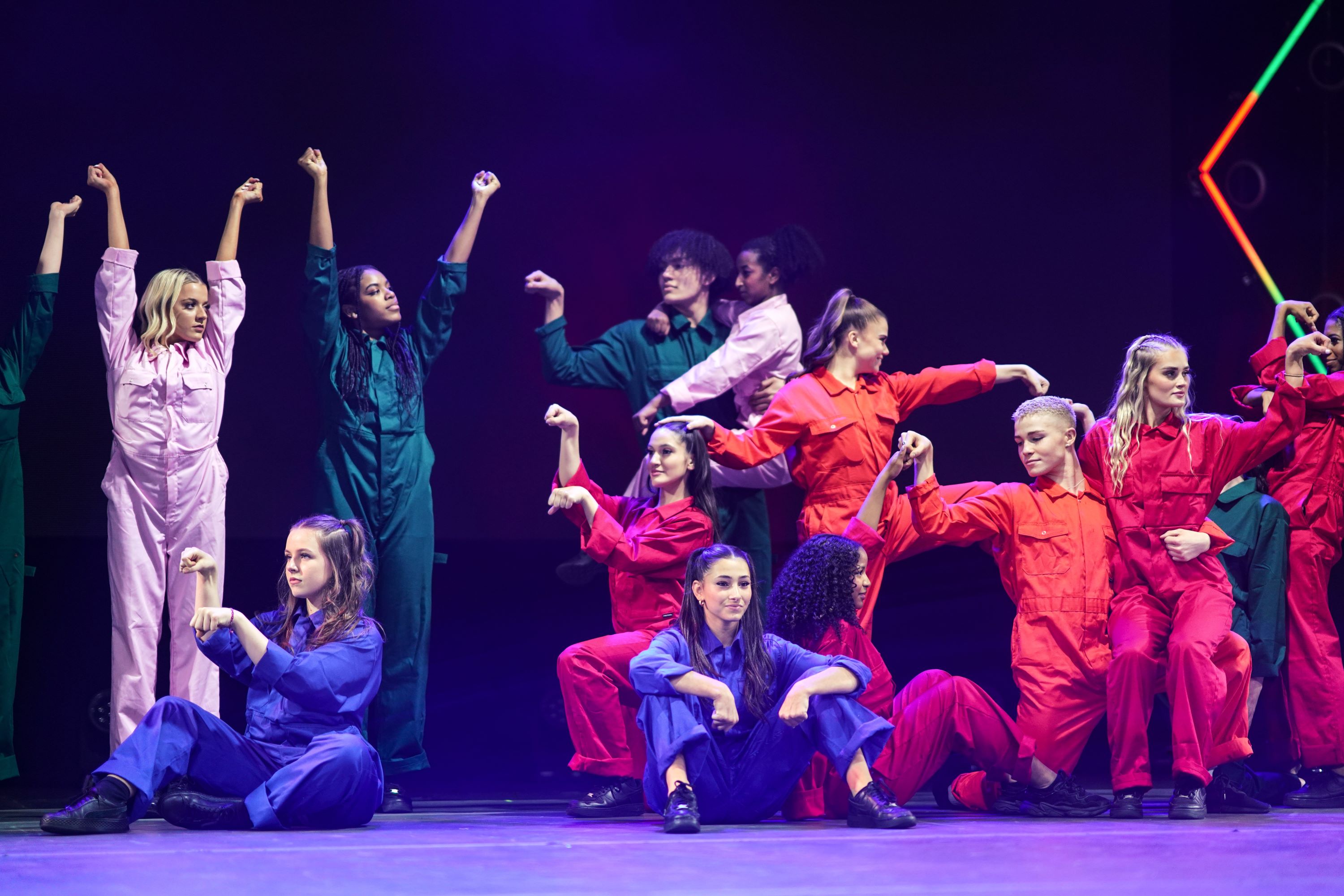
Every school year has its key performing arts moments.
There are rehearsals, showcases, assemblies, concerts, musical theatre productions, drama performances, dance evenings and end-of-term celebrations. These moments take time, commitment and creative energy from both students and teachers.
But too often, they sit outside formal recognition.
Students may work for weeks or months on a production. They may develop confidence, discipline, teamwork, stagecraft and performance skill. They may overcome nerves, learn choreography, contribute to an ensemble or step into a lead role for the first time.
Then, once the final curtain closes, the achievement is remembered emotionally but not always recognised formally.
Urdang International Awards changes that.
UIA performance awards are designed to work around the school year, helping schools, academies, studios and organisations turn existing creative work into recognised, certificated achievement.
Instead of treating performances and qualifications as two separate things, UIA allows schools to connect them.
What are performance awards built around the school year?
Performance awards built around the school year allow schools and centres to use existing productions, rehearsals, showcases and end-of-term performances as part of recognised student achievement.
With Urdang International Awards, a school production or showcase can become more than a performance opportunity. It can become a structured, meaningful and certificated award pathway.
This makes UIA particularly useful for:
| Schools with annual productions
| Performing arts academies with regular showcases
| Dance and theatre schools with end-of-term performances
| Mainstream schools looking to recognise wider participation
| Students who are developing confidence before graded exams
| Teachers who want assessment to support real creative work
For many institutions, this is the easiest and most natural way to bring UIA into their setting.
Explore the pathways:
Explore Urdang International Awards
View UIA Performance Awards
Register as a UIA teacher or centre
Speak to the UIA team
Why this matters for schools and academies
In many schools, performing arts departments are already delivering high-value work.
Students are learning scripts, songs, dances, cues, blocking, entrances, exits, transitions, harmonies, ensemble discipline and live performance etiquette. Teachers are directing, staging, choreographing, supporting confidence and managing production timelines.
That work is educationally valuable.
It develops:
| Confidence
| Communication
| Creativity
| Collaboration
| Resilience
| Focus
| Responsibility
| Stagecraft
| Self-expression
| Teamwork
The challenge is that not all of this development is captured through traditional exam routes.
A student may not yet be ready for a graded solo exam but may thrive in a group performance. Another student may be excellent in ensemble work. Another may grow through backstage discipline, rehearsal commitment or production-based performance.
Performance awards help schools recognise these different routes into achievement.
They make it easier to say:
This student developed. This student contributed. This student achieved.
A better way to recognise school productions
School productions are often one of the biggest creative projects of the year.
They bring together performance, organisation, teamwork and commitment. They also create some of the strongest memories for students, families and staff.
But from a qualification perspective, productions can sometimes be treated as separate from “formal” achievement.
UIA performance awards give schools a more joined-up approach.
A production can become:
| A performance opportunity
| A confidence-building experience
| A creative learning project
| A recognised student achievement
| A pathway into future awards or examinations
This is especially useful for schools that already produce musicals, plays, devised performances, dance showcases or mixed performing arts events.
Rather than adding another major task to the calendar, UIA can help schools make more of the creative work already happening.
Why schools should not have to separate performance and assessment
In real performing arts training, performance and assessment are connected.
Students learn through rehearsal. They develop through feedback. They improve through repetition. They understand their role by performing in front of others. They grow by being part of something bigger than themselves.
So it makes sense for recognition to connect with that process.
When performance and assessment are separated too rigidly, teachers can end up preparing students for two different things:
| The creative work they actually want to perform
| The exam material required for assessment
This can create pressure on timetables, staff and students.
A school-year-based performance award model reduces that friction. It allows the performance calendar to support progression rather than compete with it.
For schools, this is a practical advantage.
For students, it makes the award feel more meaningful because it is connected to real creative experience.
Who benefits from performance awards?
Performance awards can support a wide range of students.
Students who are not yet ready for graded exams
Some students need a stepping stone before formal grades. They may have talent and enthusiasm but need time to build confidence, discipline and performance habits.
Performance awards give those students a recognised goal without pushing them into a format too early.
Students who thrive in ensemble work
Not every performer develops through solo assessment first. Some students grow through group numbers, scenes, production work and collaborative performance.
Performance awards can recognise contribution, commitment and development within that environment.
Younger performers
For younger students, rosettes, medals, stars and sashes can create a positive early experience of achievement. This helps build confidence before students move into more advanced pathways.
Schools with mixed ability groups
Many school productions include students of different ages, abilities and experience levels. Performance awards can help recognise progress within a broader group setting.
Teachers and departments
Teachers benefit because awards can be aligned with the creative work already being delivered. This makes implementation easier and more realistic.
What types of school activity could support performance awards?
UIA performance awards can naturally align with a range of school and academy activities, including:
| Annual school productions
| Musical theatre showcases
| Dance performances
| Drama evenings
| End-of-term concerts
| Speech and drama presentations
| Public speaking events
| Assemblies and celebration evenings
| Studio showcases
| Youth theatre performances
| Mixed performing arts projects
| Devised theatre presentations
This gives schools flexibility.
A mainstream school might use performance awards for a production or showcase. A private academy might use them across termly performance projects. A vocational centre might use them as part of a broader training pathway.
The key point is simple:
Performance awards can work with your school year, not against it.
How performance awards can sit alongside graded exams
Performance awards do not need to replace graded examinations.
They can sit alongside them.
For example, a school might use performance awards to recognise production work, then offer graded exams for students who want further subject-specific progression. A younger student might begin with rosettes or medals, then move into musical theatre, drama, singing, dance or public speaking examinations.
This creates a smoother progression route.
A possible pathway could look like this:
| Rosettes or early performance recognition
| Medals, stars or sashes
| Production medals or title awards
| Subject specialist awards
| Graded examinations
| Level 3–5 teaching or performance diplomas
This is one of UIA’s strengths. The pathway can start with accessible achievement and grow into more advanced qualifications.
The brochure describes UIA as offering a complete pathway from rosettes and performance medals for younger performers through to Level 3–5 diplomas in teaching and performance.
Why this is useful for mainstream schools
Mainstream schools often have strong performing arts activity but limited time.
A school may not have the timetable space to build a large separate exam programme straight away. However, it may already have:
| A drama club
| A musical production
| A dance showcase
| A school concert
| A performing arts enrichment programme
| GCSE or A Level performance work
| A speech and communication programme
Performance awards give mainstream schools a practical entry point into UIA.
They allow the school to begin with something familiar and visible. Students, parents and staff can see the value quickly because the award is connected to an event or performance they already understand.
This can help performing arts departments strengthen their offer without needing to redesign everything at once.
Why this is useful for private academies and studios
Private performing arts academies and studios often run regular performance projects.
These might include:
| End-of-term showcases
| Theatre school productions
| Dance competitions
| Musical theatre presentations
| Studio performance evenings
| Holiday projects
| Youth company shows
Performance awards can help academies give formal recognition to the progress students are already making.
This is valuable for parents too. A certificate or award gives families a clear marker of achievement. It shows that the student is not only attending classes but progressing through a recognised pathway.
For academies, this can also strengthen retention. Students are more likely to stay engaged when they can see their development from one stage to the next.
Why performance awards support inclusion
Not every student experiences achievement in the same way.
Some students may be confident soloists. Others may be quieter performers who contribute strongly within a group. Some may be neurodiverse learners who thrive with routine, rehearsal and ensemble structure. Others may need encouragement before they feel ready to be assessed individually.
Performance awards can support a broader view of success.
They allow schools to celebrate:
| Effort
| Commitment
| Rehearsal discipline
| Ensemble contribution
| Performance development
| Confidence building
| Creative risk-taking
| Progress over time
This makes them especially powerful in educational settings.
A well-designed award pathway should not only recognise the students who are already confident. It should help more students believe they belong in the performing arts.
How performance awards support parents and school leaders
Parents often want to understand what their child is gaining from performing arts training.
School leaders may want to see how performing arts contributes to wider development, enrichment and achievement.
Performance awards help make that clearer.
They provide:
| Visible recognition
| A structured achievement pathway
| Evidence of progression
| A positive student milestone
| A way to celebrate participation and commitment
| A bridge between enrichment and qualification routes
This can help schools communicate the value of performing arts more effectively.
Instead of saying only “students took part in a show”, schools can say “students worked towards a recognised performance award as part of their production process.”
That difference matters.
How a school could implement performance awards across one year
Here is a practical example of how a school could introduce UIA performance awards without overloading the department.
Autumn term
Choose the production, showcase or performance event that will sit at the centre of the award pathway.
Introduce students and parents to the idea that the project will lead to recognised achievement.
Early spring term
Begin rehearsals and identify the students or groups who will take part.
Teachers can use the rehearsal process to support performance development, confidence and ensemble awareness.
Late spring or summer term
Deliver the performance, showcase or production.
Use the final performance moment as part of the recognised achievement process.
End of year
Celebrate students with certificates or awards and communicate next-step pathways for the following year.
Those next steps could include further performance awards, subject specialist pathways, graded examinations or Creative Industry Careers.
How to choose the right starting point
The best starting point depends on your setting.
A school should ask:
| What performance activity do we already run?
| Which students would benefit most from recognition?
| Do we want to start with younger learners or older students?
| Would this work best through a production, showcase or class project?
| Could performance awards lead into graded exams later?
| How can we communicate the value to parents and school leaders?
The goal is not to add complexity. The goal is to turn existing creative work into a clearer achievement pathway.
That is why performance awards are such a strong first step for many schools.
Common mistakes to avoid
Trying to launch too much at once
Start with one production, one cohort or one performance event. Once the process is familiar, you can expand.
Treating awards as separate from the creative process
The strongest implementation links awards to the rehearsal and performance work already happening.
Only recognising solo performers
Performance awards can help recognise ensemble contribution and group performance, not only lead roles or solo work.
Waiting until students are “exam ready”
Performance awards are useful precisely because they can support students before they are ready for formal graded assessment.
Forgetting to explain the value to parents
Make sure parents understand that the award recognises creative development, commitment and performance progression.
Why Urdang International Awards is a strong fit for production-led schools
UIA is particularly well suited to schools and academies where performance is already central to the year.
It works because it understands that performing arts learning happens through:
| Rehearsal
| Performance
| Feedback
| Ensemble work
| Creative choice
| Student confidence
| Public presentation
| Progression over time
It also connects performance awards with a wider qualification structure. Students can begin with accessible recognition, then move towards subject specialist awards, examinations, diplomas or creative industry career pathways.
This gives schools something very valuable:
A qualification pathway that starts where the students already are.
Bring Urdang International Awards into your next school production
Your next production, showcase or end-of-term performance could become more than an event.
It could become a recognised milestone for your students.
Urdang International Awards gives schools, academies, studios and organisations a flexible way to turn performance work into certificated achievement, while supporting confidence, creativity and progression.
Explore Urdang International Awards, view the Performance Awards pathway, register through UIA teacher and centre registration or speak to the team through Urdang International Awards contact to discuss the right route for your setting.
FAQs
What are performance awards for schools?
Performance awards are recognised awards that allow students to gain achievement through performance-based work such as productions, showcases, rehearsals and end-of-term events.
Can a school production be used for a UIA award?
Yes. UIA performance awards are designed so productions, showcases and end-of-term work can become recognised, certificated achievements.
Are performance awards only for advanced students?
No. Performance awards can support younger students, beginners and performers who are not yet ready for formal graded examinations.
Can performance awards sit alongside graded exams?
Yes. Schools can use performance awards as an entry point, then build towards subject specialist awards, graded examinations or diplomas as students progress.
Who are UIA performance awards suitable for?
They are suitable for mainstream schools, performing arts academies, private studios, vocational centres, teachers and organisations that want to recognise performance development in a flexible way.
How can a school get started?
Start by identifying a production, showcase or performance event that already exists in your school year, then contact UIA to discuss how it could become part of a recognised award pathway.