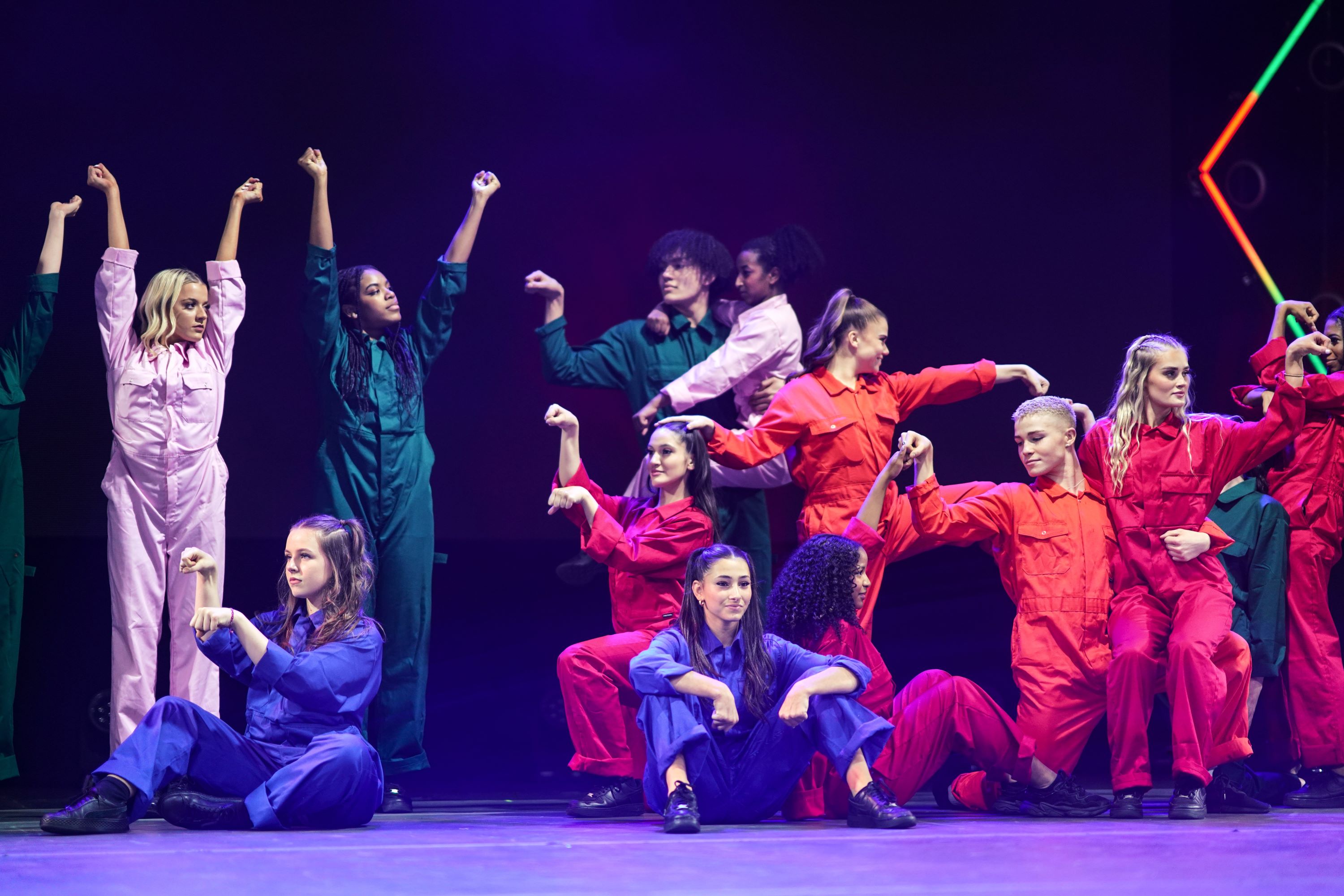
Musical theatre is a dynamic and multifaceted performance art form that combines three core disciplines: singing, acting, and dancing.

Musical Theatre in Production

Understanding Musical Theatre Performance

Understanding Musical Theatre Performance

The integration of these complementary skills forms the foundation of what is commonly referred to as the triple-threat performer—a performer who is equally capable of communicating through voice, physical movement, and dramatic interpretation.

The integration of these complementary skills forms the foundation of what is commonly referred to as the triple-threat performer—a performer who is equally capable of communicating through voice, physical movement, and dramatic interpretation.

Within musical theatre, these three disciplines are not treated as separate components but are fully integrated to create a cohesive and engaging performance. Each element works in collaboration to support storytelling, enhance emotional expression, and communicate character and narrative effectively to an audience.

The use of singing allows performers to convey emotion, internal thought, and dramatic intention in ways that extend beyond spoken dialogue. Acting provides the framework for character development, enabling the performer to portray believable relationships, motivations, and emotional journeys. Dance and movement contribute to the visual and physical expression of the story, reinforcing characterisation, atmosphere, and dramatic action.

Within musical theatre, these three disciplines are not treated as separate components but are fully integrated to create a cohesive and engaging performance. Each element works in collaboration to support storytelling, enhance emotional expression, and communicate character and narrative effectively to an audience.

The use of singing allows performers to convey emotion, internal thought, and dramatic intention in ways that extend beyond spoken dialogue. Acting provides the framework for character development, enabling the performer to portray believable relationships, motivations, and emotional journeys. Dance and movement contribute to the visual and physical expression of the story, reinforcing characterisation, atmosphere, and dramatic action.

Any combination of these performance elements may be used to:

Any combination of these performance elements may be used to:

Advance the narrative and support storytelling
Introduce and establish characters
Develop relationships between characters
Communicate emotional states and intentions
Highlight key dramatic moments and plot developments
Enhance the visual and theatrical impact of the performance

The ability to integrate these disciplines effectively is central to musical theatre performance. Candidates undertaking the Urdang International Awards Musical Theatre in Production syllabus are encouraged to develop these skills progressively, building the technical, expressive, and interpretative abilities required to become confident and versatile triple-threat performers.

Through structured training and performance experience, candidates develop an understanding of how singing, acting, and dancing function together as a unified performance language, preparing them for further study, vocational training, and professional opportunities within the performing arts industry.

The ability to integrate these disciplines effectively is central to musical theatre performance. Candidates undertaking the Urdang International Awards Musical Theatre in Production syllabus are encouraged to develop these skills progressively, building the technical, expressive, and interpretative abilities required to become confident and versatile triple-threat performers.

Through structured training and performance experience, candidates develop an understanding of how singing, acting, and dancing function together as a unified performance language, preparing them for further study, vocational training, and professional opportunities within the performing arts industry.

Musical Theatre in Production

Musical Theatre in Production

Syllabus Aims and Objectives

Syllabus Aims and Objectives

The Urdang International Awards Musical Theatre in Production syllabus provides a structured and progressive framework designed to develop skilled, versatile, and confident performers. The programme integrates the core disciplines of musical theatre—singing, acting, and dancing—to prepare candidates for both further vocational training and professional performance opportunities.

This syllabus reflects the professional standards and expectations of the contemporary musical theatre industry, supporting candidates in becoming well-rounded and expressive triple-threat performers.

The Urdang International Awards Musical Theatre in Production syllabus provides a structured and progressive framework designed to develop skilled, versatile, and confident performers. The programme integrates the core disciplines of musical theatre—singing, acting, and dancing—to prepare candidates for both further vocational training and professional performance opportunities.

This syllabus reflects the professional standards and expectations of the contemporary musical theatre industry, supporting candidates in becoming well-rounded and expressive triple-threat performers.

Aims of the Musical Theatre in Production Syllabus

Aims of the Musical Theatre in Production Syllabus

The Musical Theatre in Production syllabus aims to:

  • Promote an understanding of the key qualities, disciplines, and professional expectations required for musical theatre performance within a production context, including ensemble awareness, storytelling, and stagecraft.

  • Provide a safe, supportive, and progressive pathway, enabling candidates to acquire the technical, artistic, and performance skills required to develop into confident and capable triple-threat performers.

  • Guide candidates through a systematic and structured training programme, preparing them for auditions into full-time vocational training institutions, conservatoires, and potential entry into the professional performing arts industry.

  • Encourage intellectual engagement with the musical theatre canon, fostering knowledge of repertoire, performance styles, and historical context, alongside encouraging self-reflection and awareness of personal artistic development.

  • Develop confidence, discipline, and professional rehearsal practices, supporting candidates in understanding the collaborative nature of musical theatre performance.

The Musical Theatre in Production syllabus aims to:

  • Promote an understanding of the key qualities, disciplines, and professional expectations required for musical theatre performance within a production context, including ensemble awareness, storytelling, and stagecraft.

  • Provide a safe, supportive, and progressive pathway, enabling candidates to acquire the technical, artistic, and performance skills required to develop into confident and capable triple-threat performers.

  • Guide candidates through a systematic and structured training programme, preparing them for auditions into full-time vocational training institutions, conservatoires, and potential entry into the professional performing arts industry.

  • Encourage intellectual engagement with the musical theatre canon, fostering knowledge of repertoire, performance styles, and historical context, alongside encouraging self-reflection and awareness of personal artistic development.

  • Develop confidence, discipline, and professional rehearsal practices, supporting candidates in understanding the collaborative nature of musical theatre performance.

Objectives of the Musical Theatre in Production Syllabus

Objectives of the Musical Theatre in Production Syllabus

The objectives of the syllabus are to enable candidates to:

  • Integrate the three core disciplines of musical theatre—singing, acting, and dancing—into a cohesive and believable performance, demonstrating coordination, expressive communication, and stylistic understanding.

  • Develop and refine technical skills across all performance disciplines, including:

    • Vocal technique, tone, projection, and musicality

    • Physical control, coordination, and dance technique

    • Acting skills, character development, and emotional authenticity

  • Communicate the intention, narrative, and emotional context of musical theatre material clearly and effectively, demonstrating engagement with character, story, and audience.

  • Develop interpretative and analytical skills, enabling candidates to understand the dramatic, musical, and historical context of their performance material.

  • Demonstrate intellectual understanding through discussion and reflection, responding thoughtfully to questions regarding:

    • The character and narrative

    • The context of the material

    • The performance process

    • Their own artistic and technical development

  • Build performance confidence, stage presence, and professional awareness, preparing candidates for rehearsal, audition, and performance environments.

The objectives of the syllabus are to enable candidates to:

  • Integrate the three core disciplines of musical theatre—singing, acting, and dancing—into a cohesive and believable performance, demonstrating coordination, expressive communication, and stylistic understanding.

  • Develop and refine technical skills across all performance disciplines, including:

    • Vocal technique, tone, projection, and musicality

    • Physical control, coordination, and dance technique

    • Acting skills, character development, and emotional authenticity

  • Communicate the intention, narrative, and emotional context of musical theatre material clearly and effectively, demonstrating engagement with character, story, and audience.

  • Develop interpretative and analytical skills, enabling candidates to understand the dramatic, musical, and historical context of their performance material.

  • Demonstrate intellectual understanding through discussion and reflection, responding thoughtfully to questions regarding:

    • The character and narrative

    • The context of the material

    • The performance process

    • Their own artistic and technical development

  • Build performance confidence, stage presence, and professional awareness, preparing candidates for rehearsal, audition, and performance environments.

Programme Outcomes

Programme Outcomes

Through participation in the Urdang International Awards Musical Theatre in Production syllabus, candidates will:

  • Develop the skills required to perform confidently as a triple-threat performer

  • Demonstrate integration of singing, acting, and dance within performance

  • Communicate character, narrative, and emotional intention effectively

  • Show increasing technical control and performance maturity

  • Develop analytical understanding of musical theatre repertoire

  • Be prepared for progression into vocational training and professional pathways

The Urdang International Awards Musical Theatre in Production syllabus supports the development of technically skilled, expressive, and industry-aware performers, providing a clear and progressive pathway from early training through to advanced, pre-professional performance level.

Through participation in the Urdang International Awards Musical Theatre in Production syllabus, candidates will:

  • Develop the skills required to perform confidently as a triple-threat performer

  • Demonstrate integration of singing, acting, and dance within performance

  • Communicate character, narrative, and emotional intention effectively

  • Show increasing technical control and performance maturity

  • Develop analytical understanding of musical theatre repertoire

  • Be prepared for progression into vocational training and professional pathways

The Urdang International Awards Musical Theatre in Production syllabus supports the development of technically skilled, expressive, and industry-aware performers, providing a clear and progressive pathway from early training through to advanced, pre-professional performance level.

Musical Theatre in Production Examinations

Musical Theatre in Production Examinations

Availability and Centre Registration

Availability and Centre Registration

Urdang International Awards Musical Theatre in Production examinations are available in both Solo and Group formats, offering flexible assessment options to suit individual performers as well as schools, colleges, and theatre organisations delivering ensemble training.

The syllabus provides a comprehensive graded pathway, beginning at Entry Level – Preparatory Grade, and progressing through the graded structure to Advanced Grade 8. This progressive framework enables candidates to develop technical skills, performance confidence, and artistic maturity in a structured and supportive environment.

The graded pathway supports candidates at all stages of development, from early learners building foundational performance skills through to advanced candidates preparing for vocational training, conservatoire entry, and professional performance opportunities.

Both Solo and Group examination formats assess the integration of the core musical theatre disciplines:

  • Singing

  • Acting

  • Dancing

while also developing essential performance qualities including:

  • Characterisation

  • Musicality

  • Stage presence

  • Ensemble awareness (Group format)

  • Professional performance skills

Group examinations additionally foster collaboration, spatial awareness, and the ability to perform as part of an ensemble—an essential component of musical theatre in production settings.

Urdang International Awards Musical Theatre in Production examinations are available in both Solo and Group formats, offering flexible assessment options to suit individual performers as well as schools, colleges, and theatre organisations delivering ensemble training.

The syllabus provides a comprehensive graded pathway, beginning at Entry Level – Preparatory Grade, and progressing through the graded structure to Advanced Grade 8. This progressive framework enables candidates to develop technical skills, performance confidence, and artistic maturity in a structured and supportive environment.

The graded pathway supports candidates at all stages of development, from early learners building foundational performance skills through to advanced candidates preparing for vocational training, conservatoire entry, and professional performance opportunities.

Both Solo and Group examination formats assess the integration of the core musical theatre disciplines:

  • Singing

  • Acting

  • Dancing

while also developing essential performance qualities including:

  • Characterisation

  • Musicality

  • Stage presence

  • Ensemble awareness (Group format)

  • Professional performance skills

Group examinations additionally foster collaboration, spatial awareness, and the ability to perform as part of an ensemble—an essential component of musical theatre in production settings.

Introduce Musical Theatre in Production at Your School

Introduce Musical Theatre in Production at Your School

If you are interested in offering Urdang International Awards Musical Theatre in Production examinations at your school, college, or theatre organisation, we welcome the opportunity to work with you.

Our Musical Theatre in Production syllabus provides:

  • A structured and progressive training framework

  • Internationally recognised graded qualifications

  • Clear progression from Entry Level through to Advanced Grade 8

  • Support for both individual and group performance training

  • Preparation for vocational training and professional industry pathways

If you are interested in offering Urdang International Awards Musical Theatre in Production examinations at your school, college, or theatre organisation, we welcome the opportunity to work with you.

Our Musical Theatre in Production syllabus provides:

  • A structured and progressive training framework

  • Internationally recognised graded qualifications

  • Clear progression from Entry Level through to Advanced Grade 8

  • Support for both individual and group performance training

  • Preparation for vocational training and professional industry pathways

To register your centre or request further information, please contact us.

To register your centre or request further information, please contact us.

Our team will be pleased to support you in introducing the Urdang International Awards Musical Theatre in Production programme and integrating it into your curriculum or training provision.

Get in touch with our team to discuss your needs and find the right pathway for you

Get in touch with our team to discuss your needs and find the right pathway for you

Get in touch with our team to discuss your needs and find the right pathway for you

Get in touch with our team to discuss your needs and find the right pathway for you

P

E

D

A

NAVIGATE | NAVIGATE | NAVIGATE |